
How to Improve Bike Mileage: Smart Tips Every Rider Should Know
How to improve bike mileage is one of the most common questions riders ask when fuel prices rise or when their motorcycle starts consuming more petrol than usual. In a fast-paced world where fuel economy directly impacts your monthly budget, understanding the mechanics of your motorcycle is crucial. Many riders think mileage depends only on the bike model, but the truth is that riding habits, maintenance, and road conditions play a huge role in fuel efficiency. Small changes in how you ride and maintain your bike can make a noticeable difference in how far every litre of petrol takes you.
For riders in Madurai, where daily commuting, traffic signals, and frequent short rides are common, mileage becomes even more important. A bike that delivers good mileage saves money every month and keeps the engine healthier in the long run. At Alagendran Autos, riders often receive practical guidance on maintaining their bikes properly so that mileage stays consistent. Whether you are navigating the busy streets of Anna Nagar or cruising on the highway, efficiency starts with awareness.
The Technical Secret: How to Improve Bike Mileage through Engineering
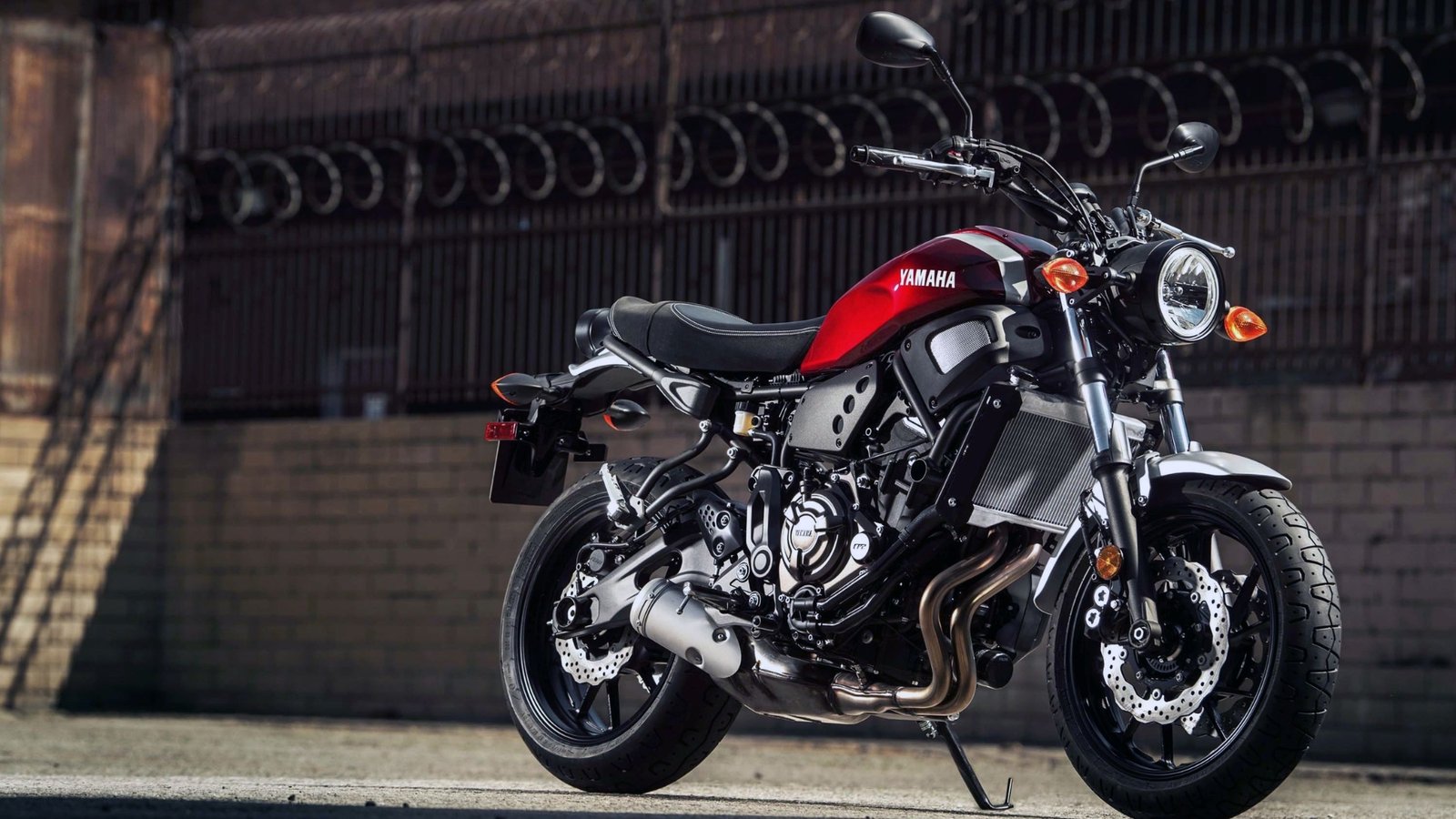
Bike mileage simply means how far your motorcycle can travel using one litre of fuel. While manufacturers provide mileage estimates, real-world mileage depends on several everyday factors. Consider the precision engineering of a Yamaha Motor Company machine; it is designed for a perfect air-fuel mixture. When you deviate from standard maintenance, this balance is disrupted, leading to "running rich" where more fuel is consumed than necessary.
Riding style has a major influence on fuel efficiency. Aggressive acceleration, sudden braking, and riding at very high speeds can increase fuel consumption quickly. Think of your bike like a person running a marathon. If someone runs at a steady pace, they conserve energy and go farther. If they sprint constantly and stop suddenly, they get tired faster. Bikes work in a similar way. When riders understand these basics, improving mileage becomes easier and more predictable.
Smooth Acceleration: The Best Way for How to Improve Bike Mileage
One of the easiest ways to improve bike mileage is by adopting smoother riding habits. Many riders accelerate quickly after every signal or traffic stop. While it may feel exciting, rapid acceleration burns more fuel because the carburetor or fuel injector sends a massive surge of petrol into the combustion chamber. Instead, try increasing speed gradually. When you open the throttle slowly, the engine uses fuel more efficiently and reaches its peak torque without unnecessary waste.
Pro-Tip: Use the Kill Switch Wisely
In traffic-heavy cities like Madurai, signals can last over 90 seconds. If you find yourself waiting for more than 40 seconds, turn off the engine. Modern starters are durable, and the fuel saved from not idling is significant over a month of commuting.
The Importance of Aerodynamics and Weight
Extra weight on a motorcycle increases fuel consumption because the engine must work harder to move the load. Carrying heavy bags or unnecessary accessories can reduce mileage slightly. Keeping the bike light and balanced improves both efficiency and handling. Riders should carry only what they truly need during daily travel. Even small weight reductions can contribute to better mileage over long distances.
Tyre Pressure: The Invisible Fuel Thief
Tyre pressure plays a surprisingly important role in fuel efficiency. When tyres are underinflated, the contact patch with the road increases, creating more "rolling resistance." This means the engine has to work harder to maintain speed, which increases fuel consumption. Checking tyre pressure regularly (at least once a week) is a simple habit that can improve mileage noticeably. Most bikes have recommended tyre pressure values mentioned in the owner’s manual or near the chain guard area.
The Role of the Drive Chain
A dry or loose chain creates mechanical friction. If the power from the engine isn't reaching the rear wheel smoothly, you are losing energy. Proper chain lubrication ensures that the transition of power is seamless. Ideally, clean and lubricate your chain every 500km to ensure the engine doesn't have to fight against "stiff" links.
Regular Servicing and Air Filters
Engines perform best when they are clean and well-maintained. Over time, dust, old engine oil, and worn components can reduce efficiency. A clogged air filter is like trying to run while holding your breath—the engine struggles to get the oxygen needed for combustion, so it compensates by burning more petrol. Routine maintenance ensures the bike performs the way it was designed to.
Fuel Quality Matters
Choosing fuel stations known for good quality petrol helps maintain better mileage. Poor quality petrol may contain impurities that reduce combustion efficiency. While the difference may not be visible immediately, consistent use of high-quality fuel keeps the fuel injectors clean and prevents carbon buildup on the valves.
| Maintenance Factor | Estimated Efficiency Gain |
|---|---|
| Correct Tyre Pressure | 5% - 10% Improvement |
| Clean Air Filter | Up to 15% Improvement |
| Proper Chain Tension | 3% - 5% Improvement |
| Smooth Throttle Input | 10% - 20% Improvement |
Visit Us for Expert Maintenance
For riders who want professional support to maintain their bikes and ensure peak performance, visit our authorized center. We provide specialized tuning to help you get the best economy out of your ride.
Address: Alagendran Autos, 112, Melakkal Rd, Kochadai, Madurai, Tamil Nadu 625016
Contact: +91 98432 87152
Frequently Asked Questions
Not necessarily. This is called "lugging" the engine. It puts immense strain on the piston and can actually decrease mileage. Always stay in the correct gear for your current speed.
In dusty conditions like India, it is recommended to check and clean your air filter every 2,000 to 3,000 km. Replace it if it looks excessively dark or clogged.
Yes. Most "free-flow" exhausts change the backpressure of the engine. Without proper re-tuning of the fuel map, it usually leads to a drop in mileage.
Premium petrol has a higher octane rating, which prevents engine knocking in high-performance bikes. For regular commuter bikes, it may offer a cleaner burn but won't significantly boost mileage compared to high-quality regular petrol.
Yes, the added weight increases the load on the engine. You may need to increase your tyre pressure slightly (as per manual) to compensate and maintain efficiency while carrying a passenger.
By following these guidelines, you ensure that every ride is not just a journey, but an efficient and sustainable experience. Ride safe!