
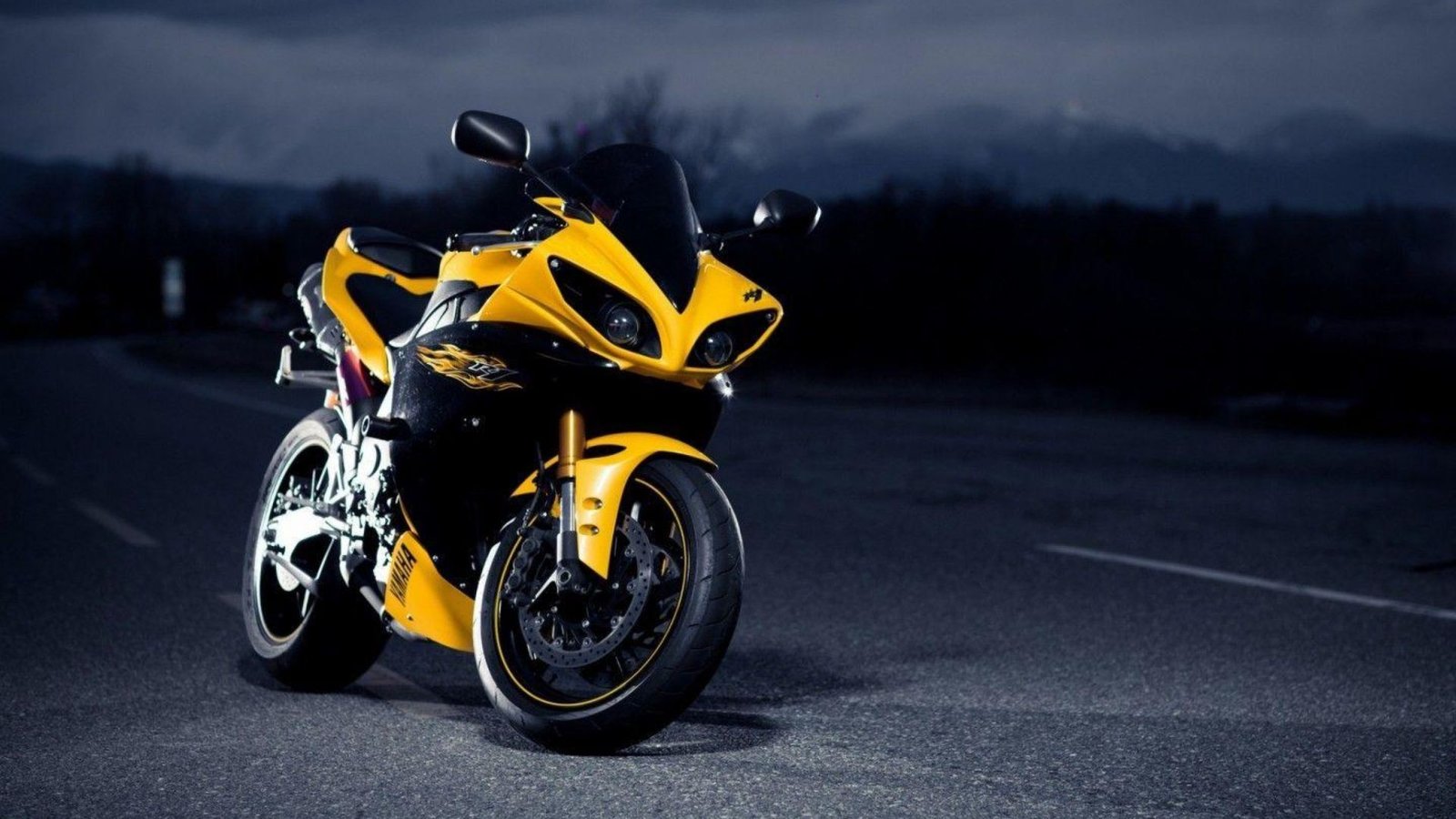
A comprehensive Yamaha Bike Maintenance Guide is an essential topic for every rider who wants their motorcycle to stay smooth, reliable, and fuel efficient for many years. Proper maintenance not only improves engine performance but also protects the long-term value of the bike. Riders who follow a simple maintenance routine often enjoy better mileage, safer rides, and fewer unexpected repair costs. Whether you own an R15, an MT-15, or a Fascino, the principles of mechanical longevity remain the same: consistency and care.
Motorcycles are built with precision engineering, and Yamaha bikes are known for their refined engines and dependable performance. However, even the best machines require regular attention. When riders ignore maintenance, small issues can slowly grow into expensive repairs. That is why understanding how to take care of your Yamaha bike becomes part of responsible riding. At Alagendran Autos, riders often receive guidance on maintaining their bikes correctly so that they continue to perform smoothly on Madurai roads.
The foundation of a solid Yamaha Bike Maintenance Guide lies in proactive prevention rather than reactive repair. Motorcycles operate under constant stress. The engine rotates thousands of times every minute, the chain transfers massive torque to the wheel, and the tyres maintain grip on surfaces ranging from blistering hot asphalt to rain-slicked concrete. Over time, dust, friction, and heat naturally affect these components. Regular maintenance ensures that these parts continue working in harmony.
Beyond basic aesthetics, maintenance is about thermodynamic efficiency. A Yamaha engine that is properly lubricated and cooled requires less energy to overcome internal resistance, directly translating to more "power to the wheel." In a tropical climate like Madurai, heat is the primary enemy of synthetic seals and engine gaskets. Neglecting these checks leads to micro-leaks that can eventually cause catastrophic pressure loss within the combustion chamber.
| Component | Maintenance Task | Benefit for Your Yamaha |
|---|---|---|
| Engine Oil | Periodic Change | Reduces friction & prevents overheating |
| Air Filter | Clean/Replace | Optimizes fuel-air mixture for power |
| Drive Chain | Lubricate & Adjust | Smooth power delivery & longevity |
| Tyre Pressure | Weekly Check | Better handling & maximum mileage |
Engine oil plays a crucial role in keeping a motorcycle running smoothly. Inside the engine, metal components move rapidly and generate immense heat. Engine oil reduces friction between these parts and prevents excessive wear. Over time, engine oil becomes dirty and loses its viscosity. When old oil remains in the engine for too long, it cannot protect the components, leading to overheating and reduced mileage. Think of engine oil like blood in the human body; when it flows cleanly, everything works properly.
For Yamaha bikes, especially the high-performance liquid-cooled variants like the R15 V4, using the correct grade of semi-synthetic or fully synthetic oil is non-negotiable. Lower grade oils can break down at high RPMs, leaving deposits on the piston rings. This leads to carbon buildup, which eventually reduces compression. Always verify the API and JASO MA2 ratings as specified in your Yamaha Bike Maintenance Guide.
Air is as important to your Yamaha engine as high-octane fuel. The air filter ensures that only clean air enters the combustion chamber. When the filter becomes clogged with Madurai’s road dust, the engine struggles to breathe, causing a rich fuel mixture that kills your mileage. Replacing the air filter regularly allows the engine to breathe easily, which improves both performance and fuel efficiency. Similarly, using high-quality fuel prevents carbon buildup on the spark plug and valves.
Modern Yamaha bikes utilize sophisticated Fuel Injection (FI) systems. These systems rely on clear injectors and high-pressure fuel pumps. Small particles from contaminated fuel can clog the microscopic holes of an injector, resulting in "stuttering" during acceleration. Regular use of fuel additives or ensuring you fill up at trusted stations can keep the "Blue Core" technology of your Yamaha working at 100% efficiency.
The drive chain is responsible for transferring raw engine power to the rear wheel. A dry or rusted chain creates immense friction, stealing horsepower and making the ride feel "jerky." You should clean and lubricate your chain every 500 kilometers. Proper chain tension is equally important; if the chain is too loose, it may slip or damage the sprocket teeth. If it is too tight, it puts undue strain on the gearbox bearings and reduces the lifespan of the drive system.
Riders often ignore the front telescopic forks and the rear monocross suspension. Over time, fork oil can degrade or leak through the oil seals. If you notice an oily residue on your front forks, it’s a sign that the seal has failed. Riding with faulty suspension not only makes the ride uncomfortable but also puts excessive stress on the chassis and steering head bearings. Proper suspension maintenance ensures that your Yamaha handles corners with the razor-sharp precision it was designed for.
Tyres are your only contact point with the road. Underinflated tyres create extra rolling resistance, forcing the engine to work harder and reducing mileage. Brakes are equally critical. Brake pads wear down gradually, and thin pads lead to "brake fade," which can be dangerous in emergency situations. Inspect your brake fluid levels and pad thickness every month to ensure reliable stopping power. Remember, stopping is just as important as going.
Rainwater is often acidic and can accelerate the corrosion of metal parts, especially the swingarm and the main stand. During the monsoon in Tamil Nadu, your Yamaha Bike Maintenance Guide should include frequent anti-rust coatings. Pay special attention to the electrical connectors and the spark plug cap. Water entry into the spark plug area is a common cause of starting trouble during heavy rains. Applying a bit of silicone spray can act as a water repellent for these sensitive electrical zones.
Modern Yamahas feature advanced fuel injection (FI) systems and sensors that rely on a healthy battery. Ensure your battery terminals are free from corrosion. A weak battery can cause starting trouble and may even lead to fuel pump issues in the long run. Keeping your bike clean also helps in early detection of oil leaks or loose bolts before they become major problems. A clean bike is a happy bike.
If you plan on not riding your Yamaha for more than two weeks, certain precautions are necessary. Always use the main stand to prevent tyre flat spots. Disconnect the negative terminal of the battery to prevent slow drainage. Lastly, cover the exhaust pipe with a plastic wrap to prevent moisture from entering the engine. These small steps ensure that when you finally thumb the starter, your Yamaha roars back to life instantly.
1. How often should I service my Yamaha bike?
Regular servicing is recommended every 3,000 to 5,000 km or every 4 months, whichever comes first.
2. Can I use any engine oil for my Yamaha?
It is best to use Yamaha-recommended Yamalube or oil that meets the specific JASO MA2 and API grades mentioned in your owner's manual.
3. Why is my bike mileage dropping?
Common causes include a clogged air filter, low tyre pressure, or a poorly maintained chain.
4. How often should I lubricate the chain?
In dusty conditions like Madurai, we recommend cleaning and lubing every 500-700 kilometers.
5. Is it necessary to service the bike if I haven't ridden it much?
Yes, oil degrades over time due to oxidation even if the bike is stationary. Periodic service is still essential.
6. What is the benefit of Nitrogen in tyres?
Nitrogen is less susceptible to temperature changes, keeping your tyre pressure stable for longer durations, which is vital for long-distance cruising.
Ensure your Yamaha stays in peak performance with professional servicing at Alagendran Yamaha. Our expert technicians use genuine parts to keep your ride safe and smooth.
Visit Us: Kochadai, Madurai | +91 98432 87152
Book Your Service Now