
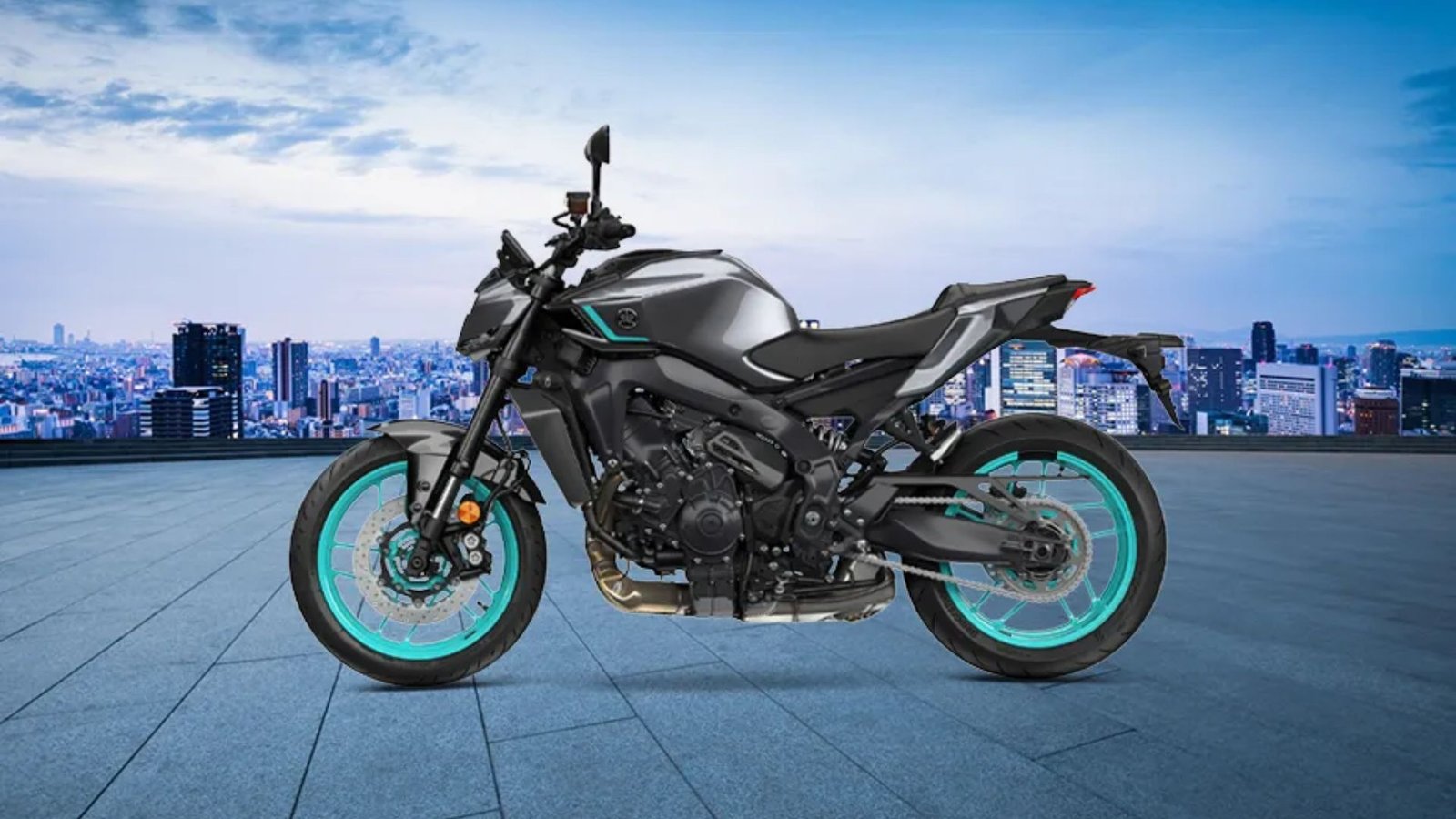
How to increase mileage of your Yamaha bike is a question almost every rider asks at some point, especially when fuel costs go up or when the bike starts consuming more petrol than expected. Many people assume mileage depends only on the bike model, but the reality is very different. The way you ride, maintain, and care for your Yamaha bike—a precision machine from Yamaha Motor Company—plays a huge role in how efficiently it uses fuel.
In a city like Madurai, where traffic conditions change frequently and daily commuting is common, mileage becomes even more important. A bike that gives better mileage not only saves money but also runs smoother and lasts longer. Small habits can make a big difference, and once you understand them, improving mileage becomes simple.
At Alagendran Autos, riders often receive practical guidance on maintaining their Yamaha bikes in a way that improves fuel efficiency and performance. These are not complicated techniques. They are simple, real-life habits that anyone can follow.
Understanding what mileage really means is the first step toward efficiency. Mileage is the distance your bike can travel using one litre of fuel. While manufacturers give an estimated mileage figure, real-world mileage depends on how the bike is used every day. Imagine two riders using the same Yamaha bike. One rides smoothly, maintains proper service, and follows good habits. The other rides aggressively, skips service, and ignores maintenance. Even though both bikes are the same, their mileage will be very different. Mileage is not just about the machine; it is about the relationship between the rider and the machine.
One of the simplest ways to increase mileage is by riding smoothly. Many riders accelerate quickly and brake suddenly, especially in city traffic. This habit wastes fuel because the engine has to work harder each time. Instead, gradual acceleration helps the engine use fuel efficiently. Maintaining a steady speed reduces unnecessary strain on the engine. Avoiding sudden braking also helps maintain momentum, which saves fuel.
Think of it like walking. If you walk steadily, you can go farther without getting tired. If you keep running and stopping, you lose energy quickly. Bikes behave in a similar way. For most Yamaha bikes, maintaining a moderate and steady speed helps achieve better mileage. Riding calmly not only saves fuel but also makes the ride more comfortable. High speed may feel exciting, but it often comes at the cost of fuel efficiency.
The engine is the heart of your Yamaha bike. When it is clean and well-maintained, it performs efficiently. Over time, engine oil becomes dirty, filters get clogged, and small components wear out. Regular servicing ensures that the engine continues to work smoothly. Fresh engine oil reduces friction, while clean filters allow proper airflow. This combination improves combustion and fuel efficiency. Skipping service may save time temporarily, but it leads to higher fuel consumption and long-term problems.
Tyre pressure is often ignored, but it plays a major role in mileage. When tyres are underinflated, the bike faces more resistance on the road. This forces the engine to consume more fuel. Maintaining correct tyre pressure helps the bike move smoothly and reduces fuel consumption. It also improves safety and handling. Checking tyre pressure regularly is a simple habit that can improve mileage noticeably.
The air filter ensures that clean air enters the engine. When the filter becomes clogged with dust, airflow is restricted. This affects fuel combustion and reduces mileage. Cleaning or replacing the air filter regularly helps the engine breathe properly. In dusty environments like busy city roads, air filters may need more frequent attention. A clean air filter improves both performance and fuel efficiency.
The chain transfers power from the engine to the rear wheel. When the chain is dry or improperly adjusted, it creates friction. This reduces efficiency and increases fuel consumption. Regular lubrication ensures smooth power transfer and reduces strain on the engine. Proper chain tension also plays a role in maintaining efficiency. A well-maintained chain helps the bike run smoothly and improves mileage.
| Factor | How It Helps Improve Mileage |
|---|---|
| Smooth Riding | Reduces fuel wastage during acceleration |
| Moderate Speed | Keeps engine relaxed and efficient |
| Regular Service | Maintains engine performance |
| Correct Tyre Pressure | Reduces rolling resistance |
| Clean Air Filter | Improves fuel combustion |
| Chain Lubrication | Ensures smooth power transfer |
| Reduced Idling | Saves fuel during stops |
| Quality Fuel | Enhances engine efficiency |
Many riders keep their engines running while waiting at signals or during short stops. This wastes fuel without moving the bike forward. Switching off the engine during longer stops helps save fuel. Modern bikes are designed for easy restarting, so this habit does not cause any damage. Reducing idling is one of the easiest ways to improve mileage in city traffic. Furthermore, using good quality fuel ensures better engine performance. Poor quality fuel can lead to incomplete combustion, which reduces mileage. Finally, reducing unnecessary weight helps. Carrying extra weight increases fuel consumption because the engine has to work harder.
Riding smoothly with gradual acceleration and maintaining steady speeds improves mileage significantly.
Yes, correct tyre pressure reduces resistance and helps improve fuel efficiency.
Regular servicing as per schedule (usually every 3,000 km) helps maintain engine efficiency and mileage.
Yes, high speeds increase aerodynamic drag and engine RPM, which substantially increase fuel consumption.
Yes, poor fuel quality can reduce combustion efficiency and cause engine knocking, leading to increased fuel usage.
Ensure your bike is performing at its best with professional Yamaha service.
Address: 112, Melakkal Rd, Kochadai, Madurai, TN 625016
Phone: +91 98432 87152