
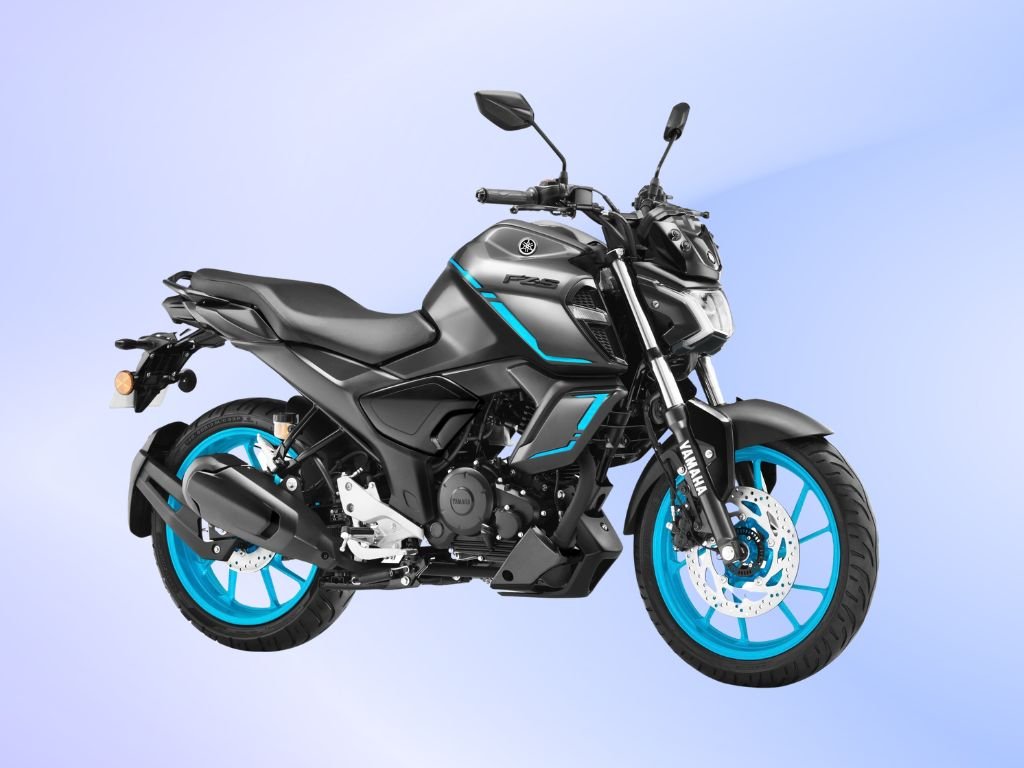
Your Bike Mileage Suddenly Dropped? Here’s Why
Why bike mileage drops is a common concern for riders who notice that their motorcycle has started using more fuel than before. A bike that previously delivered satisfying fuel efficiency may gradually require more frequent refuelling because of tyre pressure, riding habits, traffic conditions, maintenance issues, engine oil condition, air filter problems or mechanical wear. Mileage does not usually fall without a reason. Understanding what has changed can help riders identify the possible cause and take the right maintenance steps before fuel consumption becomes a bigger concern.
For riders in Madurai, actual fuel efficiency can change significantly because motorcycles are often used in dense traffic, frequent stop-and-go conditions, short journeys and hot weather. Comparing mileage only with another rider's motorcycle may therefore be misleading. A better approach is to compare your motorcycle's current fuel consumption with its own previous performance under similar riding conditions.
At Alagendran Autos, Yamaha riders can enquire about motorcycle maintenance, periodic service requirements and checks that may help identify possible reasons for changing fuel efficiency. You can also explore current Yamaha information through the Alagendran Autos Yamaha website. For general background about the manufacturer, visit the Yamaha Motor Company reference page.
Why Bike Mileage Drops Even When the Motorcycle Seems Normal
A reduction in fuel efficiency does not always arrive with a warning light, unusual noise or obvious mechanical problem. Several small factors can increase fuel consumption while the motorcycle continues to feel relatively normal during everyday riding.
For example, slightly low tyre pressure increases rolling resistance. In simple terms, the engine has to work harder to keep the motorcycle moving. Add congested traffic, repeated acceleration and an overdue air filter inspection, and the combined effect may become noticeable when you refuel.
A motorcycle can begin using more fuel because of low tyre pressure, aggressive acceleration, heavy traffic, air filter condition, unsuitable or ageing engine oil, poor chain maintenance, additional load or mechanical resistance. Start by checking recent changes in riding conditions and maintenance history.
Before assuming there is a major engine problem, look at what has recently changed. A new commute, heavier traffic, frequent pillion use or delayed maintenance can all affect real-world fuel consumption.
Why Bike Mileage Drops Due to Tyres and Riding Habits
Tyres and rider behaviour can influence everyday fuel consumption even when the engine itself is operating normally. These are sensible areas to check first because riding conditions and tyre pressure can change frequently.
Low Tyre Pressure Can Reduce Fuel Efficiency
Tyres create resistance as they roll along the road. When pressure is below the recommended level, additional rolling resistance can develop, meaning the motorcycle requires more effort to maintain movement.
This factor is easy to overlook because a tyre can appear normal even when its pressure needs correction. Check tyre pressure according to the motorcycle manufacturer's recommendation, particularly before longer journeys. The recommended pressure may also differ when regularly carrying a pillion or additional load.
Riding Style Has a Major Effect on Mileage
Two people riding similar motorcycles on similar routes can experience different fuel consumption because of how they accelerate, brake and select gears. Repeated aggressive acceleration followed by hard braking uses energy that could have been conserved through smoother riding.
Maintaining unnecessarily high engine speeds can also increase fuel usage. Smooth throttle inputs, sensible gear selection and anticipating traffic can help maintain more consistent consumption. This does not mean riding unusually slowly. The aim is to avoid unnecessary acceleration when traffic ahead will require you to slow down again almost immediately.
Heavy Traffic Changes Real-World Mileage
A motorcycle can deliver different fuel efficiency on an open road compared with congested urban traffic. During stop-and-go riding, the motorcycle repeatedly accelerates from lower speeds, slows down and may spend time idling.
This is particularly relevant for Madurai riders. If your normal route has recently become more congested, changing traffic conditions may explain part of the reduction even when the motorcycle has no major mechanical issue.
Short Trips Can Increase Fuel Consumption
Several very short journeys can produce different consumption patterns from a longer, steady ride. If your routine has changed from a longer daily commute to several short local trips, compare current mileage with the new usage pattern rather than relying only on older figures.
Maintenance Problems That Can Reduce Bike Mileage
Fuel efficiency is connected to the overall condition of the motorcycle. The air filter, engine oil, drive chain, brakes and other components work together to support smooth operation. When maintenance is delayed, several small issues can combine and influence how efficiently the motorcycle performs.
A Dirty Air Filter Can Affect Engine Efficiency
The engine requires an appropriate supply of clean air for combustion. The air filter helps prevent dust and contaminants from entering the engine. As the filter collects dirt, its condition should be inspected according to the recommended maintenance schedule.
A heavily restricted filter can affect engine operation and may contribute to reduced fuel efficiency. Dusty riding environments can also influence how quickly inspection becomes necessary. Follow the recommended procedure for your particular Yamaha model rather than replacing parts based purely on guesswork.
Engine Oil Condition Matters
Engine oil performs several important functions, including lubrication and helping internal components operate smoothly. Using an unsuitable oil, exceeding the recommended service interval or operating with an incorrect oil level can affect engine operation.
Follow the specified oil grade and replacement schedule for your motorcycle. If you are uncertain about when the oil was last replaced, checking the service history is a useful starting point.
Chain Maintenance Can Influence Efficiency
The drive chain transfers engine power to the rear wheel. Correct adjustment and lubrication help this system operate smoothly. A poorly maintained or incorrectly adjusted chain can create unnecessary resistance and wear.
Follow the motorcycle's recommended chain inspection, cleaning, lubrication and adjustment intervals. Excessive tightness is not a solution, because an incorrectly adjusted chain can create additional problems.
Brake Drag Should Not Be Ignored
If a brake does not release correctly, additional resistance may be created while the motorcycle moves. The engine then has to work against that resistance to maintain speed.
Unusual resistance, excessive heat or abnormal brake behaviour should not be ignored. Correct brake operation is important for both efficient running and safe, predictable motorcycle performance.
Bike Mileage Drop – Common Causes and Checks
The table below provides a practical way to compare common causes with the changes a rider may notice. One symptom does not automatically confirm a particular fault, so use these observations as a starting point rather than replacing parts without proper diagnosis.
| Possible Cause | What You May Notice | What to Check |
|---|---|---|
| Low tyre pressure | The bike may feel slightly heavier to move. | Check pressure against the recommended specification. |
| Aggressive acceleration | Fuel consumption increases during city riding. | Use smoother and more progressive throttle inputs. |
| Heavy traffic | Mileage is lower than during open-road journeys. | Compare similar routes and traffic conditions. |
| Dirty air filter | Engine response or efficiency may change. | Inspect according to the recommended service schedule. |
| Engine oil condition | Engine operation may feel less smooth. | Check oil level, specification and service interval. |
| Frequent short trips | Fuel usage appears high for distance travelled. | Compare consumption across a longer period. |
| Additional load | The motorcycle requires more effort to accelerate. | Consider normal rider, pillion and luggage load. |
| Brake drag | The motorcycle may feel harder to move. | Check for abnormal resistance or brake behaviour. |
| Chain condition | Power delivery may feel rough or less smooth. | Check chain adjustment and lubrication. |
| High engine RPM | Fuel consumption may increase. | Select appropriate gears for road speed. |
| Delayed maintenance | Performance may gradually change. | Follow the recommended periodic service schedule. |
| Mechanical issue | Mileage loss remains persistent or becomes worse. | Arrange a systematic motorcycle inspection. |
Measure Mileage Correctly Before Assuming There Is a Problem
Incorrect calculations can create unnecessary concern. Fuel gauge bars alone are not an accurate method for calculating fuel efficiency because the display does not necessarily represent fuel consumption with enough precision for mileage measurement.
For a more useful comparison, measure fuel consumed against distance travelled over a reasonable period. Try to compare similar riding conditions instead of comparing one highway journey with several days of congested city travel.
Traffic, passenger load, road conditions and riding style can all change the result. Looking at an average across multiple refuelling cycles can provide a clearer picture than judging one isolated journey.
When Should a Mileage Drop Be Checked?
Small variations in fuel efficiency can occur naturally when riding conditions change. However, a persistent or sudden reduction deserves attention, particularly when it appears alongside rough engine operation, unusual noises, reduced response, difficult starting or other noticeable changes.
Begin with straightforward factors such as tyre pressure, recent riding conditions and maintenance history. A systematic approach can help narrow down the reason without immediately assuming that expensive components need replacement.
Keep Your Yamaha Maintained Regularly
Mileage is influenced by the motorcycle as a complete system rather than by one component alone. Engine oil, filters, tyres, brakes, drive chain and riding conditions can all contribute to how efficiently the motorcycle operates.
Periodic servicing provides an opportunity to inspect relevant areas according to the recommended schedule. For riders who depend on their Yamaha for office commuting, college, business or family travel, regular maintenance also supports dependable everyday ownership.
Why Choose Alagendran Autos in Madurai?
Alagendran Autos supports Yamaha riders with motorcycle enquiries, periodic maintenance information and service-related guidance. Understanding a motorcycle's service history, current condition and normal riding environment can help narrow down possible reasons for changing fuel consumption.
For Yamaha motorcycle and service enquiries, visit Alagendran Autos at 112, Melakkal Rd, opposite to Heritage Hotel, near Passport Office, Kochadai, Madurai, Tamil Nadu 625016, or call +91 98432 87152.
Frequently Asked Questions
Why has my bike mileage suddenly dropped?
A sudden reduction can be connected to tyre pressure, changed riding conditions, increased traffic, maintenance requirements, additional load or a mechanical issue. Compare recent changes and basic maintenance factors first.
Can low tyre pressure reduce bike mileage?
Yes. Underinflated tyres can increase rolling resistance, requiring more effort to move the motorcycle. Maintain tyre pressure according to the manufacturer's recommendation for your model and load conditions.
Does a dirty air filter affect mileage?
A heavily restricted air filter can affect engine operation and may contribute to reduced fuel efficiency. Follow the recommended inspection and replacement schedule for the motorcycle.
Can traffic reduce motorcycle mileage?
Yes. Stop-and-go traffic involves repeated acceleration, braking and periods of idling, so real-world fuel efficiency can be lower than during steady riding on a more open road.
Where can I enquire about Yamaha maintenance in Madurai?
Visit Alagendran Autos at 112, Melakkal Rd, opposite to Heritage Hotel, near Passport Office, Kochadai, Madurai, Tamil Nadu 625016, or call +91 98432 87152.
Final Thoughts
Understanding a mileage reduction starts with recognising that fuel efficiency depends on the complete riding environment. Tyre pressure, traffic, throttle use, engine oil, air filter condition, chain maintenance, load and servicing can all influence how much fuel a motorcycle consumes.
Do not judge fuel efficiency from one short journey. Measure it consistently, compare similar riding conditions and pay attention to changes in how the motorcycle feels. This provides a much stronger basis for deciding whether the change is caused by normal riding conditions or requires further inspection.
Regular maintenance and smoother riding habits can help your Yamaha operate efficiently while supporting dependable everyday performance.
Concerned About Your Yamaha's Mileage?
Visit Alagendran Autos in Kochadai, Madurai, for Yamaha motorcycle enquiries, periodic maintenance information and service-related assistance.